



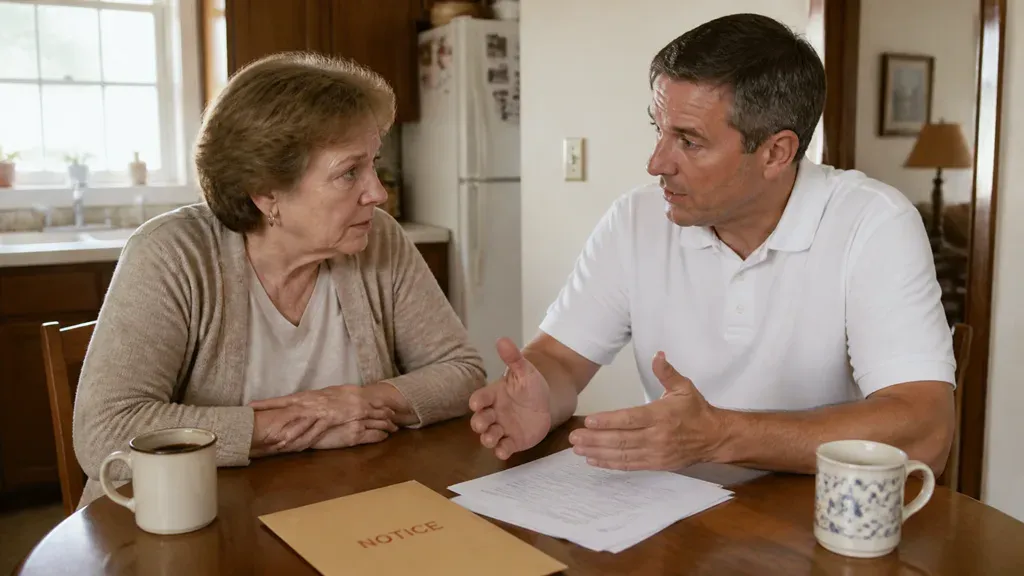
Short Sale vs Foreclosure - What’s The Difference In Indianapolis?
What Is A Foreclosure In Indiana?
Foreclosure is the legal process by which a mortgage lender takes ownership of a property when the borrower has defaulted on the loan. In Indiana, foreclosure is a judicial process - it goes through the court system. When you stop making mortgage payments, the lender files a foreclosure lawsuit in the Indiana circuit court in the county where the property is located. For Indianapolis properties, this is Marion County Circuit Court. For Hamilton County properties (Carmel, Fishers, Noblesville), it is Hamilton County Circuit Court, and so on for each Indiana county.
The Indiana foreclosure process typically takes 6-12 months from the initial lawsuit filing to the point where the property is sold at a sheriff’s sale. During this period, you generally remain in the home but lose the ability to sell it in a traditional transaction without addressing the foreclosure action. At the sheriff’s sale, the property is sold to the highest bidder - often the lender if no competitive bids are received - and the sale proceeds are applied against the loan balance. If the sale proceeds do not cover the full loan balance, the lender may seek a deficiency judgment against you personally for the remaining amount, although Indiana law limits this in certain circumstances.
The credit impact of a completed foreclosure is severe and long-lasting. A foreclosure typically stays on your credit report for seven years and significantly reduces your credit score - often by 100-150 points or more depending on your starting point. It also creates a public record in Indiana court files that can affect your ability to rent housing, apply for employment in certain fields, and obtain new credit for years.
What Happens Before A Foreclosure Lawsuit Is Filed In Indiana
Most lenders do not file a foreclosure lawsuit immediately when you miss a payment. Federal mortgage servicing rules generally require servicers to wait until a borrower is more than 120 days delinquent before initiating foreclosure. During this window, the servicer typically sends notices of default, attempts contact by phone and mail, and may offer loss mitigation options including repayment plans, loan modifications, or forbearance agreements. In Indiana, servicers are also required to provide information about homeownership counseling resources before proceeding.
This pre-foreclosure period - from the first missed payment to the lawsuit filing - is the window when you have the most options and the most leverage. A short sale can be initiated during this period. A cash sale can be completed during this period if you have equity. A loan modification can pause or restructure the debt. Once the foreclosure lawsuit is filed and you are formally a defendant in a court action, your options narrow and your control over the outcome diminishes significantly. Acting before the lawsuit is filed - even if it means selling at a price lower than you hoped - almost always produces a better outcome than waiting.
What Is A Short Sale?
A short sale is when you sell your Indianapolis home for less than the amount you owe on the mortgage, with the lender’s approval. The term "short" refers to the fact that the sale proceeds fall short of the full loan payoff. In a short sale, you remain in control of the sale process - you list the property, find a buyer, negotiate a price, and present the offer to your lender for approval. The lender then decides whether to accept the short payoff or reject it.
Short sales require lender approval because the lender is agreeing to accept less than what it is owed on the loan. This approval process adds time to the transaction - most Indianapolis short sales take 3-6 months from listing to closing, compared to 30-60 days for a standard sale. The lender’s loss mitigation department reviews the seller’s financial hardship documentation, the buyer’s offer, and an appraisal or broker price opinion to determine whether the offer represents reasonable value for the property.
What Lenders Look For When Approving A Short Sale
To approve a short sale, most Indianapolis mortgage lenders require the seller to demonstrate genuine financial hardship. A hardship letter explains the circumstances that prevent you from continuing to make mortgage payments - job loss, medical expenses, divorce, death of a co-borrower, or a major income reduction. The lender also reviews two to three months of bank statements, recent pay stubs or a statement of unemployment, and a comparative market analysis or broker price opinion showing that the proposed sale price is consistent with what the home would realistically sell for in the current Indianapolis market.
Lenders are more likely to approve a short sale when the seller can demonstrate that the hardship is real, that the property value does not support the full loan payoff, and that the proposed buyer is qualified and serious. Having a real estate agent experienced with Indianapolis short sales is important - they know what documentation the loss mitigation department requires, how to submit the package, and how to follow up effectively when the approval process slows down, which it frequently does.
The Key Differences Between Short Sale And Foreclosure
- Control. In a short sale, you are the one selling - you choose the agent, negotiate with buyers, and manage the timeline (within the lender’s requirements). In foreclosure, the court and the lender control the process. You are a respondent in a lawsuit, not the party directing the transaction.
- Credit impact. Both damage your credit, but a short sale is generally reported as less severe than a foreclosure. A short sale may reduce your credit score by 75-100 points and remain on your report for 7 years, but it is viewed more favorably by future lenders and landlords than a completed foreclosure. Some lenders will consider a new mortgage application 2-3 years after a short sale; the waiting period after foreclosure is typically 3-7 years depending on the loan type.
- Deficiency liability. After a short sale, the lender may agree in writing to waive any deficiency (the difference between the sale price and the loan balance) as a condition of approving the short sale. This gives you a clean resolution. After foreclosure, deficiency judgments are more common and harder to negotiate after the fact.
- Timeline. A short sale takes 3-6 months to complete from listing. An Indiana judicial foreclosure takes 6-12 months or more from the filing of the lawsuit. The difference is that in a short sale you are moving forward with a resolution; in foreclosure you are waiting for a court process to run its course.
- Privacy. A short sale is a relatively private transaction. A foreclosure creates a public court record and a public sheriff’s sale that is visible to anyone searching the county’s court records.
Which Is Better For Indianapolis Homeowners?
For most Indianapolis homeowners who are facing a mortgage they cannot sustain, a short sale is the better outcome than waiting for foreclosure - if the short sale can actually be completed. A short sale preserves more of your credit profile, gives you some control over the timeline and the condition you leave the property in, and typically results in a cleaner financial resolution than foreclosure. The catch is that short sales require a willing and qualified buyer, lender approval, and sufficient time before foreclosure is completed to allow the process to work.
There is also a third option that many distressed Indianapolis homeowners overlook: selling to a cash buyer before either a short sale or foreclosure is necessary. If you still have equity in the property - even a small amount - a cash buyer can purchase the home quickly, pay off the mortgage at closing, and allow you to walk away with whatever equity remains. Even if you are behind on payments but have equity, this is often the best outcome because it avoids both the credit impact of a short sale and the severity of a foreclosure.
Sellers in Wilkinson in Hancock County and Indianapolis who are facing mortgage difficulties and evaluating the short sale vs. foreclosure decision should consult with a HUD-approved housing counselor (free or low-cost through nonprofit agencies in Indiana) and consider whether their equity position allows for a direct sale that avoids both outcomes entirely.
Sellers in Anderson in Madison County who want a direct written offer on their Indianapolis-area home - regardless of mortgage status or payment arrears - can call (317) 526-4712 or reach out at contact-us. Understanding your equity position and what a cash sale would produce is often the first step toward a fresh start that is better than waiting for foreclosure to run its course.