




What Happens to a House During Probate in Indiana
When a homeowner dies, their property typically becomes part of their estate and must pass through probate before it can be transferred to heirs. Indiana probate is handled through the local circuit or superior court - in Marion County, that is the Marion County Probate Court. The process involves validating the will (if one exists), inventorying assets, paying debts and taxes, and then distributing what remains to beneficiaries.
The timeline in Indiana depends on the complexity of the estate. Simple, uncontested estates with a clear will can complete probate in four to six months. Larger estates, contested wills, or situations involving multiple properties and creditors can take a year or more. During that entire window, the property is essentially in limbo - the estate owns it, not the heirs personally, which limits what can be done with it. Indiana does not have a simplified small estate affidavit procedure for real estate - even modest-value homes must go through the full probate process unless the property was held in joint tenancy with right of survivorship or placed in a trust before the owner’s death.
One important point for Indiana executors: a probate property can be sold during probate with court approval. You do not have to wait until probate is fully closed to sell. This is often the most practical path for heirs who do not want to carry the property for the duration of the probate process. The executor has a fiduciary duty to the estate and its beneficiaries - which generally means they have both the authority and the responsibility to manage estate assets prudently, including selling property when doing so protects the estate’s value. An attorney familiar with Indiana probate procedure can confirm the specific court approval requirements for your county and estate type.
Executors handling estates in Bargersville and Johnson County who want to understand the timeline and options for selling a probate home can visit our Bargersville home buying page.
The Real Costs of Carrying a Probate Property
Most executors underestimate how quickly the costs accumulate on an inherited Indianapolis home. Common carrying costs include:
- Property taxes: Marion County and surrounding counties levy property taxes twice yearly. The estate is responsible for these regardless of whether the home is occupied or generating income. Indiana’s circuit breaker cap applies to owner-occupied properties - an estate-owned property may not qualify for the same cap, depending on how ownership is structured.
- Homeowners insurance: Standard homeowners policies typically do not cover vacant properties - most insurers will cancel or limit coverage if a home has been unoccupied for 30 to 60 days. Executors need to secure a vacancy or estate policy, which costs more than a standard policy and covers less.
- Utilities: Even a vacant home needs heat in winter to prevent frozen pipes - a catastrophic maintenance issue that can run $10,000 or more to repair. Keeping minimal utilities active adds $150 to $300 per month in carrying costs.
- Maintenance and security: Vacant homes attract deferred maintenance issues faster than occupied ones. Grass grows, gutters fill, small leaks become large ones. In certain Indianapolis neighborhoods, vacant properties also face higher risk of vandalism or break-ins.
- Mortgage payments (if applicable): If the deceased had an outstanding mortgage, payments do not stop at death. The estate is responsible for staying current while probate proceeds - or the lender can begin foreclosure proceedings against the estate.
On a modest Indianapolis home, combined carrying costs of $800 to $1,500 per month are common. Over a six to twelve month probate period, that is $5,000 to $18,000 in costs before a single heir receives a dollar.
Multi-Heir Situations: Why They Complicate Everything
When a property passes to multiple heirs, the decision-making process becomes significantly more complex. Each heir has a fractional ownership interest and typically must agree on the disposition of the property. Common friction points include:
- One heir wants to sell quickly; another wants to list for maximum retail price and wait.
- An heir who is local wants to manage the property; an heir who is out of state has a different perspective on the urgency.
- Heirs disagree on whether the property should be sold at all, or whether one heir should buy out the others.
- A property that needs repairs triggers disagreement about who pays for them and whether they are worth doing before a sale.
A cash sale often resolves multi-heir disagreements faster than a traditional listing because the terms are simple and certain - a specific price, a specific closing date, no contingencies or negotiation after the offer is accepted. When multiple parties need to agree, simplicity has real value.
Indiana probate courts can also order the sale of a property over a dissenting heir’s objection in some circumstances - but that requires filing a petition, legal fees, and additional time. Getting agreement on a clear written offer from a cash buyer is almost always faster and less expensive than asking the court to intervene. Having a concrete number in front of all parties tends to move conversations forward in a way that abstract discussions about "what the house might be worth" do not.
Heirs managing a probate property in Pittsboro and Hendricks County who need a fast, clean resolution should visit our Pittsboro home buying page for a written offer that all parties can evaluate together.
Condition Issues: What Probate Homes Often Look Like
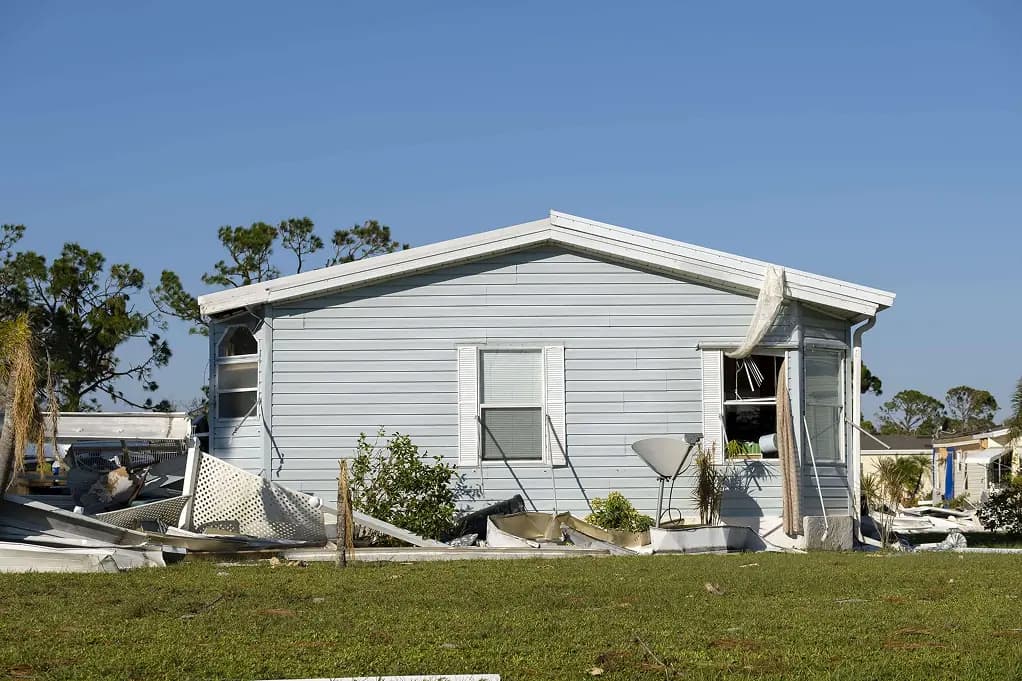
Many inherited Indianapolis homes have not been actively maintained for years before the owner’s passing. Older homeowners often defer repairs they no longer have the energy or resources to address - roof issues, outdated HVAC systems, plumbing that has not been updated since the 1970s, and cosmetic deterioration throughout. Some homes have been lived in by someone with declining health or cognitive issues, resulting in more significant condition problems.
For heirs, this creates a difficult calculation: invest money in repairs before selling (money the estate may not have readily available), list as-is and accept a lower retail price and a narrower buyer pool, or sell directly to a cash buyer who purchases the home in its current condition and handles repairs themselves. For most Indianapolis probate situations involving homes with significant deferred maintenance, the cash buyer path eliminates the need to spend estate money upfront and produces a clear, predictable outcome. Indiana’s disclosure law (IC 32-21-5) still requires sellers to disclose known property defects even in a probate sale - but a cash buyer who is purchasing as-is is typically already accounting for those issues in their offer, rather than using them as a basis to renegotiate after an inspection the way a retail buyer often does.
The Practical Case for Acting Early
The longer a probate property sits, the more it costs and the more complications can develop. Selling early - even at a modest discount to a cash buyer - often produces a better net outcome for heirs than waiting through months of carrying costs, potential condition deterioration, and the risk of a retail deal falling through.
The math is straightforward: if a home is worth $180,000 and a cash buyer offers $155,000, that $25,000 gap closes quickly once you subtract six months of carrying costs ($6,000 to $9,000), repair costs to get the home retail-ready ($10,000 to $20,000 for a typical older Indianapolis home), agent commissions (5 to 6%), and the risk that a retail deal falls through after 60 days under contract - which restarts the clock entirely. Many heirs who run this calculation honestly find the cash offer compares favorably to the best realistic retail outcome. The question is not whether the cash offer is full retail value - it is whether the net proceeds, after all costs and time, are meaningfully different.
Heirs in Whiteland and southern Johnson County who want a written offer to include in their estate planning decisions can visit our Whiteland home buying page.
Ready to Discuss Your Indianapolis Probate Property?
If you are an executor or heir dealing with an Indianapolis home in probate, call Chris at (317) 526-4712 or fill out our contact form. We have worked through Indianapolis probate sales many times and understand the court approval process, the title requirements, and the timeline. We will give you a written offer with no pressure and no obligation - something concrete and specific you can bring to the other heirs and the probate court as part of the estate settlement. Your fresh start after a difficult loss should not be made harder by a property you never planned to own or manage.